A wooden fence may seem cheaper at first, but it often costs more than you think. As PVC requires more money for buying and installing, it is actually much cheaper when you look at how long it lasts. A standard wood fence may cost less today, but the ongoing costs for painting, staining, and fixing broken parts, added to the fact that you have to replace it sooner, often make wood cost 30% to 50% more than PVC over 20 years. Because of this, PVC is the smarter choice for homeowners who want to save money in the long run without the stress of constant upkeep.
Table of Contents
- Introduction: Are PVC Fences Cheaper Than Wood?
- Why Does the Initial Price Tag Tell Only Half the Story?
- What Are the Hidden Costs Draining Your Backyard Budget?
- Why Is the Local Climate Your Greatest Enemy?
- Can a Fence Actually Improve Your Quality of Life?
- Conclusion: Investing in Your Future Peace of Mind
Why Does the Initial Price Tag Tell Only Half the Story?
When homeowners start a real comparison of a wood fence versus vinyl, they often see a big price jump that feels a bit scary at first. Right now in 2026, hiring a pro to install a wood fence usually costs between $13 and $45 for every foot of fencing. This price changes depending on the type of wood you pick. Pine is usually the most budget-friendly choice for a basic yard, while woods like cedar and redwood are the high-end natural options.
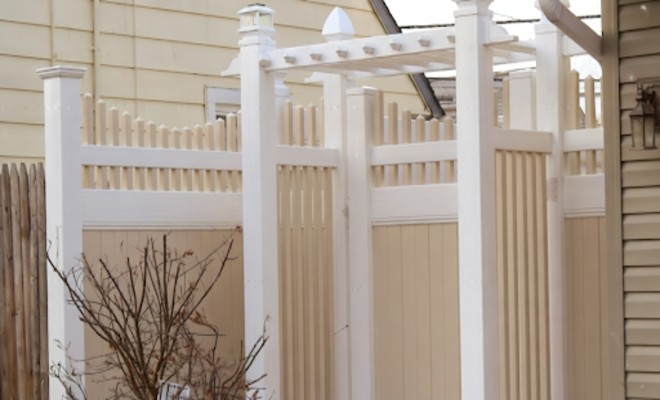
On the other side of the yard, high-quality PVC fence panels usually cost between $30 and $60 for every foot installed. This higher starting price is not just for the material. It covers the smart design that keeps the fence standing strong for decades under the sun. Modern vinyl uses special ingredients to make sure the panels do not get brittle or turn yellow as they age. According to Freedom Fence’s 2026 cost data, the starting cost for vinyl is almost always higher than wood, but that gap disappears when you consider how fast it is installed and how long it stays in great shape.
At Cuttin Edge Fence, we help our neighbors think like smart investors. A wood fence looks great, but it is a “living” material. From the day it is installed, it starts to change, it shrinks, twists, and eventually rots. This creates a chain reaction of costs that many people forget to think about when they first buy their fence.
What Are the Hidden Costs Draining Your Backyard Budget?
To really figure out is a vinyl fence cheaper than wood, we have to look at the “hidden maintenance tax” that comes with natural wood. For a wood fence to last as long as possible, it needs a lot of work that most busy families just do not have time for.
- The Constant Maintenance Cycle: A wood fence needs to be sanded and repainted or stained every 2 to 3 years to stop it from rotting. Over 20 years, that is at least seven rounds of hard work and supplies, adding $4,000 to $10,000 to your total bill.
- The Durability Gap: Records show that about 15% of wooden fence posts will need to be replaced within the first 10 years because they rot or warp. Our professional-grade PVC fence panels are completely immune to these problems.
- The Replacement Timeline: Most wood fences start to look old and shaky by year 15. In contrast, a good vinyl fence is made to look brand new even after 30 years of use.
When you add up the costs of stains, brushes, hiring help, and fixing parts, the “expensive” vinyl choice usually pays for itself by the seventh year. This long-term value is why many of our customers also check out our aluminum railing services and custom gates to finish their maintenance-free yard.
Why Is the Local Climate Your Greatest Enemy?
Choosing PVC Fence Installation in Staten Island, NY, is a smart move because of where we live. Our local weather is very tough on building materials. Being near the ocean means our homes are always dealing with salt in the air and lots of moisture. These things make wood rot much faster than normal.
A wood fence that might last 20 years in a dry state might only survive 12 years here. Moisture gets deep into the wood, rotting it from the inside where you cannot see it until the fence starts to lean. According to the National Association of Home Builders (NAHB), wood used near the coast needs a lot more chemical treatments to keep it from falling apart.
PVC is different because it does not have tiny holes like wood. It does not soak up salt air or water, so it will never grow that ugly black or green mold you often see on wooden fences in New York. At Cuttin Edge Fence, we make sure our fences can handle strong winds, so your yard stays safe and looks great through every storm.
Can a Fence Actually Improve Your Quality of Life?
Beyond the math, there is a human side to this choice. Your home is your happy place, and your weekends are valuable. Choosing a high-maintenance material like wood means spending your free time doing hard labor or managing workers to fix and stain your fence.
The real beauty of a vinyl fence is the freedom it gives you. Imagine a backyard where your only job is to spray it with a garden hose every once in a while. You do not have to worry about the kids getting splinters or bugs eating the wood. This peace of mind is what we provide at Cuttin Edge Fence. We often add easy-to-use gate systems to our vinyl projects so homeowners have total privacy without any of the hard work.
Conclusion: Investing in Your Future Peace of Mind
To wrap it up, while a wood fence is cheaper at the start, it ends up costing much more in time and money later. PVC fencing is the better choice for Staten Island homeowners because it survives the salty air, needs no work, and lasts 30 years or more. When you choose vinyl, you are not just buying a fence; you are buying back your weekends and making sure your home stays valuable for a long time.
Are you ready to stop staining and start enjoying your yard?