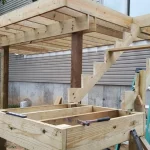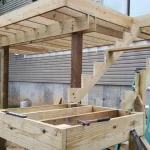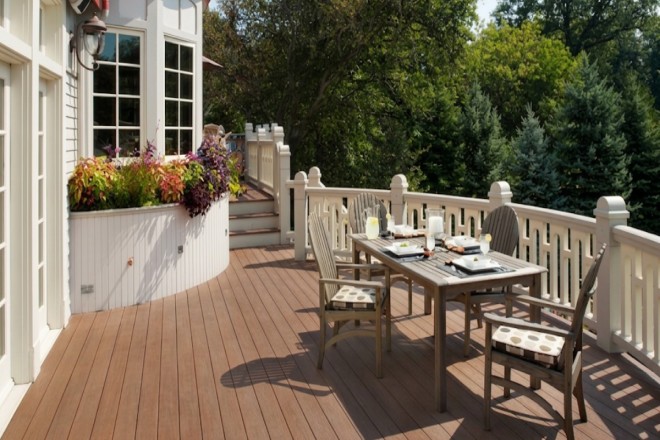
To how to protect a new wood deck, you must apply a good water repellent sealer or stain. This stops water from soaking in and blocks the sun from damaging the wood. Proper care involves three steps: cleaning away dirt, light sanding to open the wood, and applying a coating that shields the deck from rain, bugs, and rot. Taking care of your deck regularly keeps the wood strong and keeps your outdoor space looking great.
Table of content
- Introduction
- What is the best product to protect a wood deck?
- How to protect a new wood deck
- How to protect wood deck from weather
- How to protect wood deck from fire pit and planters
- The Importance of Structural Inspections
- Professional Deck Protection Checklist
- Conclusion: Making Your Deck Last for Generations
- Frequently Asked Questions
What is the best product to protect a wood deck?
Choosing the right product depends on the type of wood you have and the weather in your area. Usually, finding what is the best product to protect a wood deck means picking between an oil-based stain or a high-quality sealer. At Cuttin Edge Fence, we suggest oil-based stains because they soak deep into the wood instead of just sitting on top. This prevents the peeling and flaking that often happens with thick paints or cheap sealers when they get hot in the sun.
If you have expensive hardwoods like Cedar or Ipe, a clear oil is a great choice. It shows off the wood’s natural look while stopping it from turning grey. For common pressure-treated wood, a semi-transparent stain adds nice color and keeps the wood safe. Experts agree that oil finishes are best for stopping water damage because they allow the wood to move naturally as it gets hot or cold. When wood can breathe and move without the surface coating cracking, the protection lasts much longer.
When buying a product, look for words like “water repellent” and “UV resistant” on the label. These two things are the most important for making your deck last. A good sealer should protect your deck boards for two to three years and railings for up to five years. We always suggest a “splash test” before you start. Pour a little water on the deck; if it stays in beads on top, your protection is still good. If the water soaks in and makes the wood dark, it is time for a new coat. Using the right product the first time saves you money and hard work later.
How to protect a new wood deck
The first time you treat a new deck is the most important step for its long-term health. Many people think new wood needs to sit for a year before it is treated to “dry out.” However, the sun and rain can start damaging new wood in just a few weeks. To how to protect a new wood deck the right way, you must first remove “mill glaze.” This is a shiny, smooth layer from the factory that stops stains from soaking into the wood. If you ignore this step, your expensive stain will just sit on the surface and peel off within months.
A light sanding with basic sandpaper is usually all you need to open the wood and make it ready for a finish. Once the wood is ready, apply your sealer or stain. This creates an immediate shield against the weather while the wood settles. For new pressure-treated wood, make sure the wood is dry before you start. You can check this by seeing if a few drops of water soak in easily. If the wood is still too wet from the factory treatment, the sealer won’t be able to get inside the pores.
By starting a care routine early, you stop the wood from cracking or warping. Taking care of it from day one means you won’t have to do hard work like heavy scrubbing or stripping in the future. This keeps the wood soft, prevents splinters for your family, and keeps the screws tight in the boards. A new deck is a big investment, and early protection is the best way to make sure it stays beautiful for decades.
How to protect wood deck from weather
Weather is the biggest threat to wood. The main problem is the cycle of the wood getting wet and then drying out. Learning how to protect wood deck from weather means managing water and sun. When wood gets wet, it swells; when the sun dries it fast, it shrinks. This constant moving is what causes the wood to crack, bend, and pull away from the house. In areas with high humidity, this movement happens even faster, making regular sealing even more important.
A good waterproof coating acts like a raincoat for your deck. But protection is also about simple cleaning. You must keep the gaps between boards clear of leaves and dirt. This trash holds water against the wood and helps rot and mold grow. Studies from groups like the National Association of Home Builders show that simply keeping your deck clean and dry can make it last many years longer. If water cannot drain off the deck, it will eventually find a way into the wood fibers and start the rotting process.
Winter brings extra challenges like snow and ice. We suggest you do not use metal shovels or harsh salt on a wood deck. These can scratch the wood or cause stains that are hard to remove. Instead, use a plastic shovel and push it in the same direction as the wood boards. Adding a fresh coat of sealer every two years is the best way to fight the damage from rain, ice, and summer heat. Consistent care ensures the wood remains tough enough to handle whatever the sky throws at it.
How to protect wood deck from fire pit and planters
Fire pits and heavy pots add a lot to a deck, but they can cause damage if you aren’t careful. To how to protect wood deck from fire pit, remember that heat is just as bad as water. High heat from a fire pit can dry out the wood so much that it might catch fire or leave dark burn marks. Even if it doesn’t catch fire, the extreme heat can make the wood brittle and prone to breaking. Always use a heat shield or a special mat made for decks. These mats push the heat away from the wood. Also, use a screen to stop sparks from landing on your boards and causing small burns.
Knowing how to protect wood deck from planters is also important for stopping rot. A large pot sitting flat on the wood traps water underneath. This creates a wet spot that never dries, leading to rot and stains. Over time, this constant moisture will eat through the protective sealer and reach the wood grain. We suggest using “pot feet” or small stands to lift your plants an inch off the deck. This lets air move under the pot so the wood can dry after you water your plants or after it rains. Elevating your plants also makes it easier to sweep away dirt that can trap even more moisture.
The Importance of Structural Inspections
Beyond the surface, protecting a deck means looking at the parts you don’t always see. Every year, you should look under the deck at the joists and the ledger board. The ledger board is the piece of wood that connects the deck to your house. If this board rots, the entire deck can become unsafe. Look for signs of “soft wood” or wood that stays dark even when it hasn’t rained. If you can push a screwdriver easily into the wood, that is a sign of rot that needs professional attention.
Ensuring the hardware is in good shape is another part of protection. Over time, the movement of the wood can loosen bolts and nails. Check for any rusted parts or hardware that seems to be pulling out of the wood. Replacing a few rusty bolts now is much cheaper than fixing a collapsed deck later. At Cuttin Edge Fence, we believe a safe deck is a protected deck.
Also Read How Much Value Does a Deck Add to Your House?
Professional Deck Protection Checklist
- Spring Cleaning: Sweep often and wash with a mild soap every spring to get rid of dirt and pollen that can eat away at the finish.
- Check for Rot: Look at the board where the deck meets the house to make sure the wood is still hard and dry.
- The Water Test: Pour a little water on the boards; if it does not bead up, it is time for a new coat of sealer.
- Check the Screws: Look for rusty bolts or nails that are sticking up, which can happen as wood dries out and moves.
- Furniture Care: Use rubber pads under heavy metal chair legs to stop rust stains from getting into the wood grain.
- Clear the Gaps: Use a thin tool or a putty knife to clear out dirt from between the boards so water can drain away easily.
Conclusion: Making Your Deck Last for Generations
Protecting your outdoor wood deck is an ongoing journey that pays off every time you step outside to enjoy the fresh air. By choosing the right products, treating new wood early, and staying ahead of the weather, you ensure that your deck remains a beautiful and safe centerpiece for your home. Remember that small efforts today, such as clearing away leaves or checking for water beads, prevent expensive repairs tomorrow.
At Cuttin Edge Fence, we know that your deck is more than just wood and screws; it is a place where memories are made. Whether you are dealing with the heat of summer or the ice of winter, following these simple steps will keep your wood strong and your outdoor living space inviting. Regular care is the best way to honor your investment and keep your home looking its best for years to come.