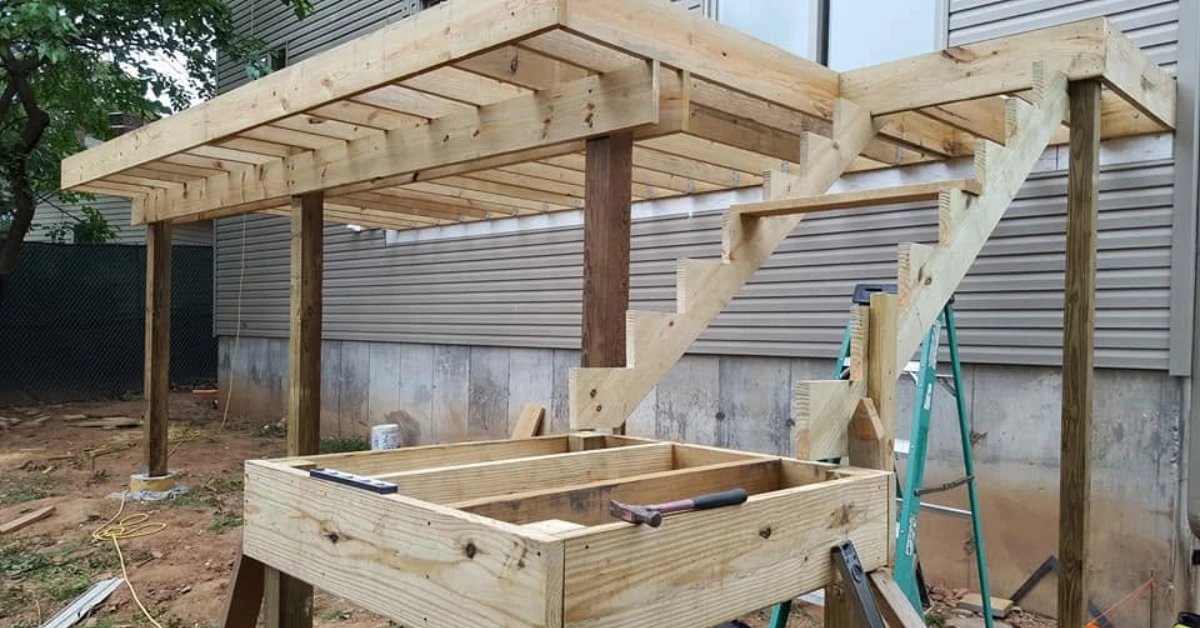
Building an outdoor deck in Brooklyn requires careful planning for long-term stability. The changing seasons and local dirt conditions in your backyard place constant stress on structural posts and concrete bases. Homeowners looking for deck installation services in Brooklyn must understand how heavy rain, winter frost, and summer heat impact wood framing below the deck floor.
Proper frame construction combined with timely deck repair services keeps your backyard living space safe from wet wood decay, loose connections, and sinking post footings. Hiring experienced contractors for complete deck installation services ensures your wood frame stays square and secure through every season.
Table of Contents
- Understanding Brooklyn Clay Soil in Your Yard
- Meeting City Building Code Footing Depths in Brooklyn
- How Freeze-Thaw Weather Cycles Damage Wood Frames
- Choosing Pressure Treated Wood for High Humidity
- Navigating Department of Buildings Permits in Brooklyn
- Knowing When to Repair or Replace Your Deck Frame
- Schedule Your Free Framing Consultation with Cuttin Edge Fence
- Frequently Asked Questions
Understanding Brooklyn Clay Soil in Your Yard
The ground beneath local Brooklyn properties contains heavy clay dirt. Clay acts very differently than loose sand or packed gravel when moisture hits your yard. During wet spring rainstorms or rapid winter snow melts, dense clay dirt absorbs water fast. The damp soil expands and swells in size, exerting strong outward pressure against buried concrete footings.
When warm summer heat arrives, clay soil dries out rapidly and loses volume. The earth shrinks and pulls away from post bases. This repetitive cycle of swelling and shrinking can cause shallow footings to shift over time. When post bases move, support beams can tilt and strain ledger attachments on your house wall. Digging wide holes and packing fresh crushed stone around post footings protects concrete bases from shifting clay earth.
Meeting City Building Code Footing Depths in Brooklyn
To prevent soil movement from damaging your frame, concrete footings must reach deep into solid ground. In northern climates, ground moisture freezes during cold winter months down to a specific depth called the frost line. New York City building code mandates that all structural deck footings extend down at least thirty six inches below ground level. In backyards where soil was previously disturbed, digging down forty two inches provides even greater stability.
Pouring footings below the local frost line prevents an issue known as frost heave. Frost heave occurs when freezing groundwater expands beneath short concrete footings and pushes them upward. When warm spring weather arrives, lifted posts settle unevenly. This movement creates sloped decking boards and strains metal connection hardware. Solid concrete piers poured to full code depth create a stable foundation that holds heavy wood framing without sagging for decades.
How Freeze-Thaw Weather Cycles Damage Wood Frames
Winter weather in Brooklyn frequently alternates between mild daytime temperatures and freezing nighttime conditions. Melting snow and cold rain seep deep into tiny surface cracks along wooden joists and beams. Water also collects around metal joist hangers, post brackets, and structural screws.
When temperatures drop below freezing overnight, trapped water expands as it turns into ice. This expanding ice forces wood fibers apart, turning minor surface checks into deep split cracks along load-bearing beams. Over several winters, unsealed wood frames weaken significantly. Expanding ice can also loosen bolts and pop structural nails. Routine inspections and fast deck repair services catch winter moisture damage early before structural framing becomes unsafe.
Choosing Pressure Treated Wood for High Humidity
Summers in Brooklyn bring high humidity and strong direct sunlight. Moisture rising from damp soil gets trapped beneath low ground decks where air circulation is limited. This warm and humid shadow zone creates an ideal environment for wood rot and wood-destroying fungi. Structural framing lumber must be pressure-treated lumber rated specifically for ground contact.
Ground contact treated wood undergoes high-pressure chemical treatment that penetrates deep into the wood grain. This preservative treatment shields the lumber against fungal decay, mold, and insect damage. Using durable pressure-treated wood for joists and beams, paired with composite deck boards and aluminum railings, ensures maximum outdoor lifespan. Leaving adequate space beneath floor joists allows air to flow freely and dry out residual dampness.
Navigating Department of Buildings Permits in Brooklyn
Building a new deck frame or replacing an existing foundation in Brooklyn requires official building permits. City building code requirements ensure post dimensions, beam spans, joist spacing, and footing depths meet proven structural standards.
Improperly attaching ledger boards to brick or wood framing on the house is a leading cause of deck failure. City inspectors confirm that ledger attachments use proper metal flashing and strong stainless steel or hot dipped galvanized bolts driven into solid house framing. Working with knowledgeable local builders ensures permit paperwork moves quickly without unexpected delays or city fines.
Knowing When to Repair or Replace Your Deck Frame
Homeowners often ask whether an aging deck frame can be saved with minor fixes or if it requires full replacement. If structural posts remain plumb and wood decay is confined to a few outer joists, simple targeted fixes can replace damaged lumber and tighten loose hardware.
However, if support posts have moved due to shallow footings, or if structural wood rot extends behind house siding, choosing complete deck installation services in Brooklyn is the safest option. A thorough backyard evaluation provides clear facts on whether fixing or rebuilding gives the best safety and value for your home.
Schedule Your Free Framing Consultation with Cuttin Edge Fence
Building a safe deck in Brooklyn requires local building knowledge and quality artisanship that stands up to shifting soil and severe weather. Owner Tony answers calls directly to discuss your project goals, frame design, and local building requirements. Whether your property requires minor structural fixes or complete deck installation services, Cuttin Edge Fence provides honest advice and dependable service from start to finish. Call Cuttin Edge Fence today to schedule your free price estimate and build a strong outdoor deck built to last.
Schedule Your Free Deck Consultation
Ready to build or repair a strong outdoor deck in Brooklyn? Contact Cuttin Edge Fence to discuss your project and schedule your free price estimate.