Owning a swimming pool brings joy, fun, and relaxation into your home. It is a place for family memories, summer gatherings, and peaceful afternoons. But along with all the fun comes responsibility. Safety is a top priority, and a properly installed pool fence protects children, pets, and guests while enhancing the pool’s aesthetics.
Learning how to install a pool fence can feel overwhelming, but the right approach and professional guidance make the process seamless. At Cuttin Edge Fence, our expertise in pool fence installation in Staten Island, NY ensures a secure, beautiful, and durable outcome.
Table of Contents
- Why Your Pool Needs a Fence
- Mapping the Perfect Perimeter
- Picking the Perfect Material
- Building a Strong Foundation
- Panels That Fit Flawlessly
- Gates That Guard Your Pool
- Inspection and Assurance
- Why DIY Isn’t Always the Best Idea
- Trust Cuttin Edge Fence for Peace of Mind
- Making Your Pool Safe and Beautiful
- Conclusion
1. Why Your Pool Needs a Fence
A pool fence is more than a boundary; it is peace of mind. Children and pets are naturally curious, and even the most careful supervision can fall short. A strong, well-installed fence acts as a physical barrier to prevent accidents while keeping your pool area stylish and functional. Understanding safety codes and regulations is critical. Professionals know local guidelines for height, spacing, and gate requirements, ensuring your fence protects without compromise.
2. Mapping the Perfect Perimeter
Before installation begins, planning the layout is essential. Accurately measuring the pool area and determining where posts, panels, and gates will go can prevent costly mistakes. Thoughtful placement ensures the fence fits naturally into your outdoor space while remaining fully functional. Planning also considers the flow of movement, access points, and landscape integration, making sure your pool remains both safe and beautiful.
3. Picking the Perfect Material
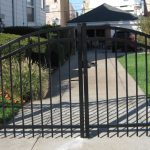
Material choice defines both appearance and longevity. PVC offers a clean, low-maintenance look, aluminum provides sleek durability, and mesh fencing delivers flexibility and practicality. Each option has its benefits, and a professional installer can guide homeowners in selecting the material that suits their pool design, maintenance expectations, and lifestyle. The right choice ensures your fence remains attractive and reliable for years to come.
4 Building a Strong Foundation
The strength and stability of a pool fence begin with its posts. Proper installation requires precise depth and anchoring in concrete to withstand wind, weather, and daily use. Misaligned or improperly set posts can compromise the entire fence, highlighting why professional installation is crucial. The posts set the stage for a secure, long-lasting structure that keeps your pool safe.
5. Panels That Fit Flawlessly
After posts are in place, fence panels are attached with care and precision. Proper alignment creates a clean, polished look while ensuring security. Panels should sit close to the ground to prevent access by small children or pets, but high enough to allow proper drainage. Expert installation guarantees that the fence remains strong, stable, and visually appealing, reflecting both safety and style.
6. Gates That Guard Your Pool
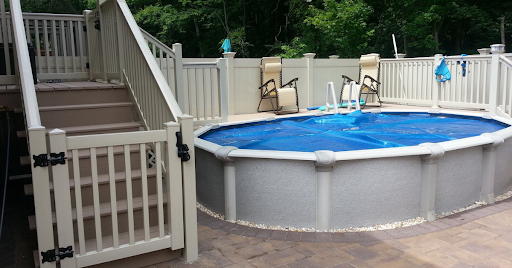
A fence is only as effective as its gate. Self-closing and self-latching gates are critical for pool safety, preventing unsupervised access while remaining easy for adults to operate. Professionals ensure gates swing correctly, align perfectly with panels, and meet all safety regulations. Properly installed gates provide both functionality and peace of mind.
7. Inspection and Assurance
Once the fence and gate are installed, a thorough inspection is essential. Every post, panel, and latch is tested to ensure alignment, stability, and compliance with safety standards. Professionals adjust any elements that do not meet exacting requirements, ensuring the finished fence is not only secure but also seamless and visually appealing. This final step completes a worry-free installation.
8. Why DIY Isn’t Always the Best Idea
While homeowners can learn how to install a pool fence, the process is complex, and mistakes can compromise safety. DIY installations often result in uneven posts, loose panels, and improperly functioning gates. Working with a professional ensures the fence meets local safety codes, maintains long-term durability, and delivers a polished finish that enhances your pool area.
9. Trust Cuttin Edge Fence for Peace of Mind
Cuttin Edge Fence has built a reputation as the premier choice for pool fence installation. Our team combines experience, artisanship, and a commitment to safety, ensuring that every project is handled with care. We guide homeowners from material selection to installation, creating fences that are both secure and visually appealing. Your pool becomes a worry-free oasis with a fence that protects and complements your outdoor space.
10. Making Your Pool Safe and Beautiful
A pool fence is an investment in safety, comfort, and long-term enjoyment. It prevents accidents, enhances property value, and creates a well-defined outdoor space. Choosing professional pool fence installation in Staten Island, NY guarantees precision, compliance, and durability. At Cuttin Edge Fence, we transform your vision into a secure, stylish reality that lets you enjoy your pool with confidence.
Conclusion
Installing a pool safety fence is essential for protecting your family and pets. It requires careful planning, quality materials, and expert installation. While understanding how to install a pool fence is helpful, collaborating with professionals ensures a fence that is safe, durable, and visually appealing. Cuttin Edge Fence brings experience, attention to detail, and unmatched commitment to quality, making your pool area both secure and beautiful.